Die Zukunft der Fertigung: Lasermarkierungs- und Schweißmaschinen im Fokus
Veröffentlichungsdatum: 06.01.2026
Inhaltsverzeichnis
Im sich ständig weiterentwickelnden Bereich der Fertigungstechnologie haben sich Lasermarkierungs- und Schweißanlagen zu einem Schlüsselwerkzeug für mehr Präzision, Effizienz und Vielseitigkeit entwickelt. Da die Industrie kontinuierlich nach höherer Qualität und schnelleren Produktionsgeschwindigkeiten strebt, ist das Verständnis der Leistungsfähigkeit und der Anwendungsbereiche dieser Geräte für Unternehmen, die wettbewerbsfähig bleiben wollen, unerlässlich.
Erfahren Sie mehr über Lasermarkierungsmaschinen
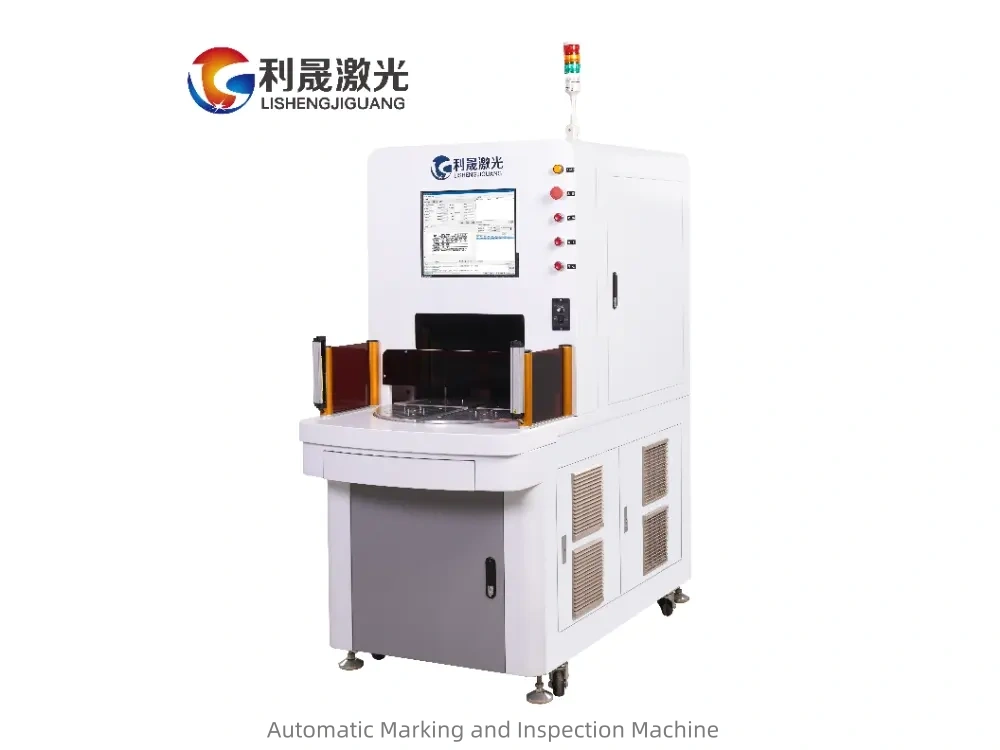
Lasermarkierungsmaschinen Mithilfe eines fokussierten Laserstrahls lassen sich Materialien hochpräzise gravieren oder markieren. Diese Technologie findet breite Anwendung in verschiedenen Branchen wie der Automobil-, Elektronik- und Medizintechnik. Der Hauptvorteil der Lasermarkierung liegt in ihrer Fähigkeit, dauerhafte, hochauflösende Markierungen auf unterschiedlichsten Oberflächen, darunter Metalle, Kunststoffe und Keramik, zu erzeugen.
Einer der größten Vorteile der Lasermarkierung ist ihre berührungslose Arbeitsweise. Im Gegensatz zu herkömmlichen Markierungsverfahren wie Tintenstrahldruck oder mechanischer Gravur benötigt die Lasermarkierung keinen direkten Kontakt zum Material. Dadurch wird das Risiko von Materialbeschädigungen minimiert und komplexe Designs sowie feine Details können realisiert werden, ohne die Integrität des Substrats zu beeinträchtigen. Darüber hinaus ist die Lasermarkierung hochgradig individualisierbar, sodass Hersteller einzigartige Logos, Barcodes und Embleme erstellen und so die Markenbekanntheit und Rückverfolgbarkeit verbessern können.
Die Funktion der Laserschweißmaschine
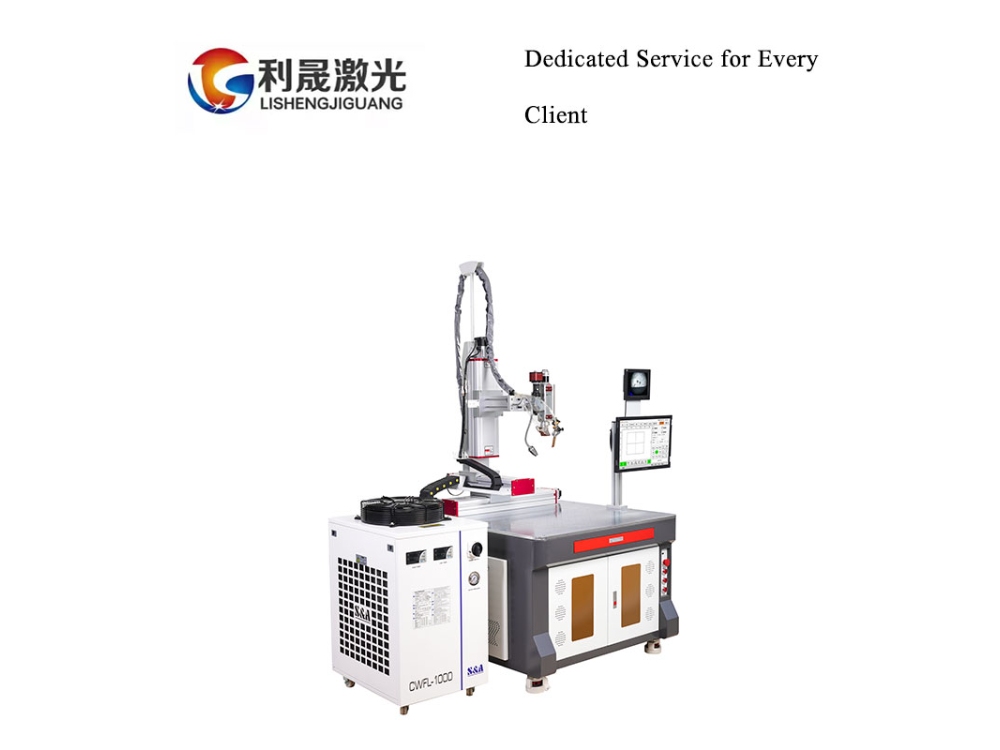
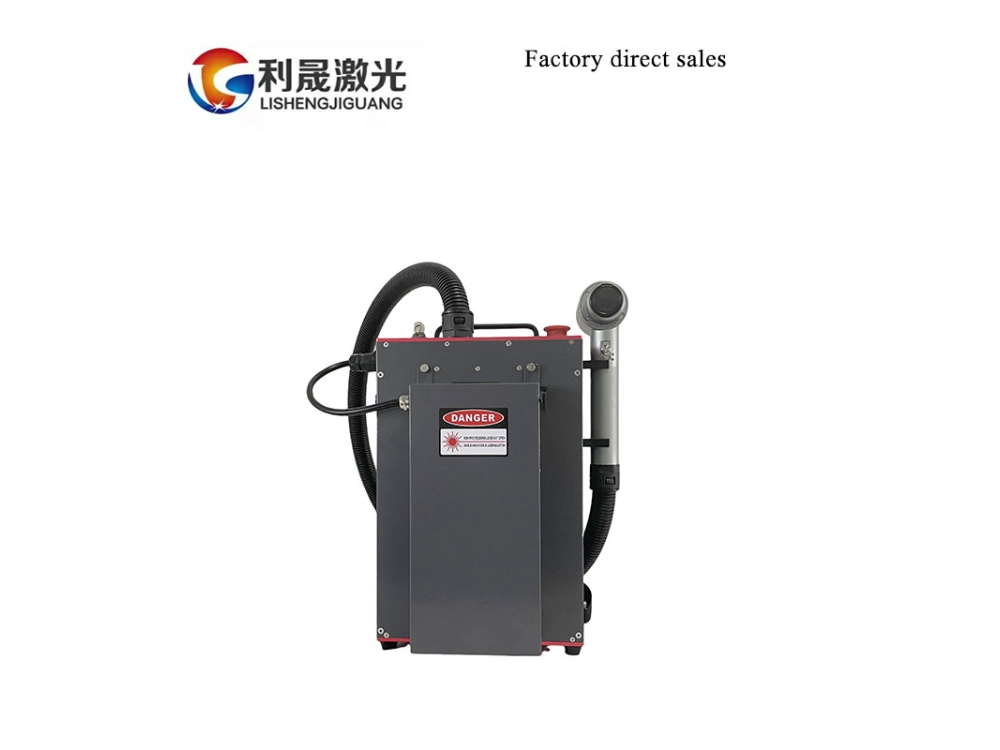
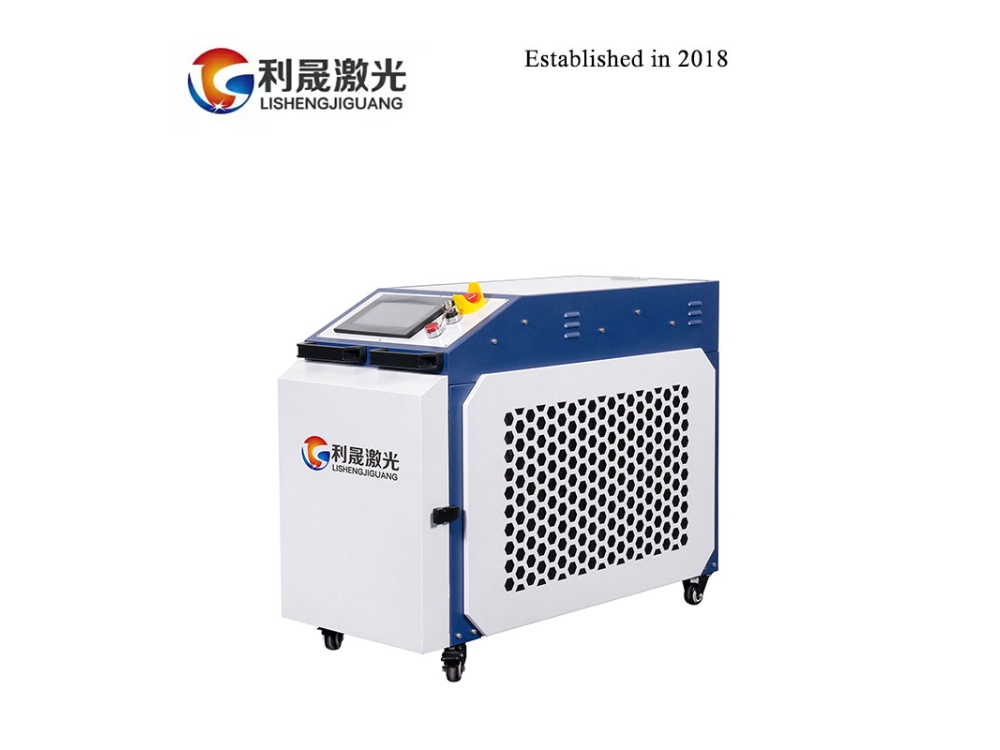
Auf der anderen Seite, Laserschweißmaschinen Laserschweißen revolutioniert die Art und Weise, wie Materialien verbunden werden. Diese Technologie nutzt einen hochenergetischen Laserstrahl, um Materialien zu schmelzen und zu verschmelzen und so starke und dauerhafte Schweißnähte zu erzeugen. Laserschweißen eignet sich besonders für dünnwandige Bauteile und komplexe Geometrien und ist daher die bevorzugte Wahl für Branchen wie die Luft- und Raumfahrt, die Automobilindustrie und die Medizintechnik.
Einer der größten Vorteile des Laserschweißens ist seine Geschwindigkeit und Effizienz. Im Vergleich zu herkömmlichen Schweißverfahren lässt sich das Laserschweißen in kürzester Zeit durchführen, wodurch der Produktionszyklus deutlich verkürzt wird. Darüber hinaus entsteht beim Laserschweißen eine minimale Wärmeeinflusszone, was dazu beiträgt, die mechanischen Eigenschaften der verbundenen Werkstoffe zu erhalten. Dies ist besonders wichtig bei Anwendungen, bei denen Präzision und strukturelle Integrität entscheidend sind.
Synergistischer Effekt von Lasermarkierung und Schweißen
Die Kombination von Lasermarkierungs- und Schweißtechnologien bietet Herstellern die einzigartige Möglichkeit, Produktionsprozesse zu optimieren. So können beispielsweise Identifikationscodes oder Qualitätssicherungsetiketten vor dem Schweißen auf Bauteile aufgebracht werden. Dies verbessert nicht nur die Rückverfolgbarkeit, sondern stellt auch sicher, dass das Endprodukt den gesetzlichen Bestimmungen und Kundenerwartungen entspricht.
Darüber hinaus ermöglicht die Kombination dieser Technologien Kosteneinsparungen. Durch die Reduzierung zusätzlicher Etikettierschritte und die Minimierung von Materialverschwendung können Hersteller ihre Abläufe optimieren und ihre Gewinne steigern. Die Möglichkeit, Etikettierung und Schweißen in einer einzigen Aufspannung durchzuführen, verringert zudem den Bedarf an mehreren Maschinen und spart so wertvollen Platz und Wartungskosten.
Abschluss
Da die Industrie zunehmend auf Automatisierung und fortschrittliche Fertigungstechnologien setzt, werden Lasermarkierungs- und Schweißanlagen eine entscheidende Rolle für die Zukunft der Produktion spielen. Ihre hohe Präzision, Effizienz und Vielseitigkeit machen sie zu unverzichtbaren Werkzeugen für moderne Hersteller.
Investitionen in diese Technologien verbessern nicht nur die Produktqualität, sondern helfen Unternehmen auch, sich besser an die sich wandelnden Marktanforderungen anzupassen. Die Synergie zwischen Lasermarkierungs- und Schweißtechnologien wird zukünftig zweifellos den Weg für innovative Fertigungslösungen ebnen und so das Wachstum und den Erfolg der Branche vorantreiben. Die Nutzung dieser Fortschritte ist für Unternehmen, die in einem hart umkämpften Marktumfeld erfolgreich sein wollen, nicht nur eine Option, sondern eine unausweichliche Entscheidung.