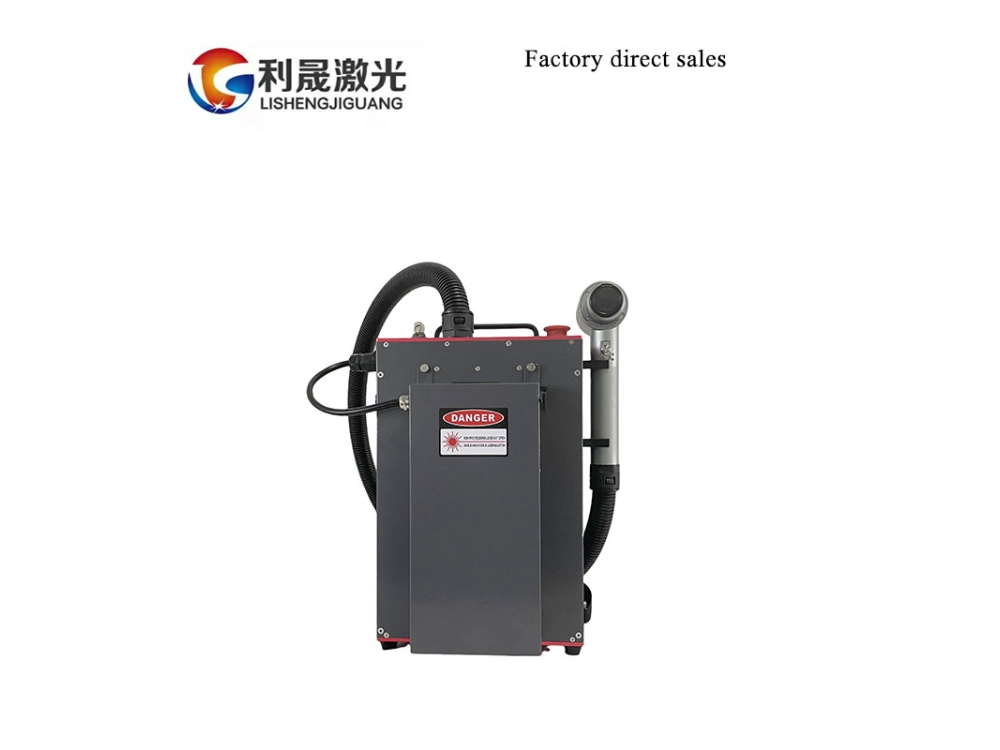
Comment évaluer l'efficacité de nettoyage des machines de nettoyage laser ?
Release time: 2025-12-20
With the increasing demands of industrial manufacturing and maintenance, surface cleaning and rust removal have become crucial and indispensable parts of the production process. Traditional chemical and mechanical cleaning methods suffer from low efficiency, potential material damage, and significant environmental impact. Laser cleaning technology, with its high precision, non-contact nature, and environmental advantages, is gradually becoming a new trend in industrial cleaning. However, for many companies and users, how to scientifically evaluate the cleaning effect of laser cleaning machines remains a key issue. This article will systematically discuss the practical application effects of machines de nettoyage laser, focusing on their cleaning efficiency, ability to remove stubborn stains and rust, and comparison with traditional cleaning methods, providing a reference for selection and application.
Table des matières
How to Measure the Cleaning Efficiency of Laser Cleaning Machines?
Cleansing efficiency is one of the key indicators for evaluating the performance of laser cleaning machines. Typically, cleaning efficiency can be evaluated by the amount of dirt or rust removed per unit time. The efficiency of a industrial laser cleaning machine is affected by various factors, the most important of which include laser power, beam quality, cleaning speed, overlap of the cleaning path, and the type of material.
Laser Power: High-powered lasers can more quickly destroy the molecular structure of stains, resulting in faster cleaning. However, excessively high power can also damage the surface being cleaned, so adjustments need to be made based on the specific cleaning task.
Cleaning Speed: The operating speed of the cleaning machine directly affects efficiency. Generally, laser cleaning machines can process larger surface areas in a shorter time, but this must be done without compromising cleaning effectiveness.
Material Type: Different materials have different laser absorption capacities, leading to significant differences in cleaning efficiency for metal surfaces, plastics, and glass. Therefore, in practical applications, parameters need to be adjusted according to the material.
By comprehensively analyzing the above factors, quantitative data on cleaning efficiency can be obtained, helping users better select suitable laser cleaning equipment.
Can laser cleaning machines completely remove stubborn stains and rust?
The cleaning effect of a laser cleaning machine is not only related to efficiency but also closely linked to the thoroughness of stain removal. Traditional cleaning methods, such as chemical cleaning and mechanical scrubbing, often rely on strong physical or chemical reactions to remove surface stains; however, this method often causes varying degrees of damage to the surface. Laser cleaning, which uses a high-energy laser beam to directly act on the surface, offers significant advantages.
Rust Removal: Laser cleaning machines excel at removing rust from metal surfaces. The laser beam precisely targets the rusted area, rapidly heating and decomposing the rust, causing it to detach from the substrate without damaging the metal. Compared to traditional chemical cleaning or sandblasting methods, laser cleaning is more environmentally friendly, eliminating the need for chemicals and reducing wastewater discharge.
Stubborn Stain Removal: Laser cleaning machines also provide efficient solutions for oil stains, coatings, and other stubborn stains. The high-power laser beam instantly heats the stains, causing them to evaporate or detach rapidly. This method is particularly suitable for cleaning precision equipment and easily damaged surfaces, such as electronic components and aerospace parts.
While laser cleaning machines effectively remove most stubborn stains and rust, certain materials or extremely stubborn stains may require multiple cleaning sessions or a combination of cleaning techniques.
How does the cleaning effect of laser cleaning differ from traditional cleaning methods?
Traditional cleaning methods typically include mechanical scrubbing, chemical cleaning, and high-pressure water jetting. These methods often rely on external force, chemical reactions, or the impact of liquids to remove stains, offering significant results but also carrying certain risks and drawbacks. In contrast, laser cleaning machines demonstrate clear advantages in cleaning effectiveness due to their unique approach.
Environmental friendliness: Traditional cleaning methods often require chemical cleaning agents, which not only pollute the environment but also pose potential threats to worker health. Laser cleaning relies entirely on a laser beam, eliminating the need for chemicals and thus eliminating pollution problems. Furthermore, it produces no wastewater, fully meeting environmental protection requirements.
Cleaning precision: Laser cleaning machines can precisely target the cleaning area, avoiding excessive wear or damage that can occur with traditional cleaning methods. For example, chemical cleaning may corrode certain metals, while laser cleaning can perform efficient cleaning without contacting the material surface, making it more suitable for cleaning precision components.
Adaptability: Laser cleaning euqipments are highly adaptable to different surface types and can handle various materials such as metals, plastics, and ceramics. Traditional methods, on the other hand, may require selecting different cleaning agents or processes depending on the material, making operation complex and costly.
Simplicity of Operation: Laser cleaning machines are relatively easy to operate. Cleaning different materials can be achieved simply by adjusting the laser power and scanning speed, reducing the complexity of manual operation. Traditional methods often require more manual intervention, and may require multiple attempts to achieve the desired effect.
Laser cleaning machines demonstrate significant advantages in cleaning efficiency, removal of stubborn stains and rust, environmental friendliness, and precision. By rationally adjusting the power, speed, and cleaning strategy, ideal cleaning results can be achieved in different materials and application scenarios. Compared to traditional cleaning methods, laser cleaning is not only highly efficient and precise but also reduces the use of chemicals and environmental pollution, greatly improving the safety and reliability of industrial cleaning. In the future, with further technological optimization and widespread adoption, laser cleaning machines will become an important choice for industrial cleaning. Hefei Lisheng Laser is committed to providing high-performance laser cleaning solutions for various industries, helping companies achieve efficient and environmentally friendly cleaning goals.