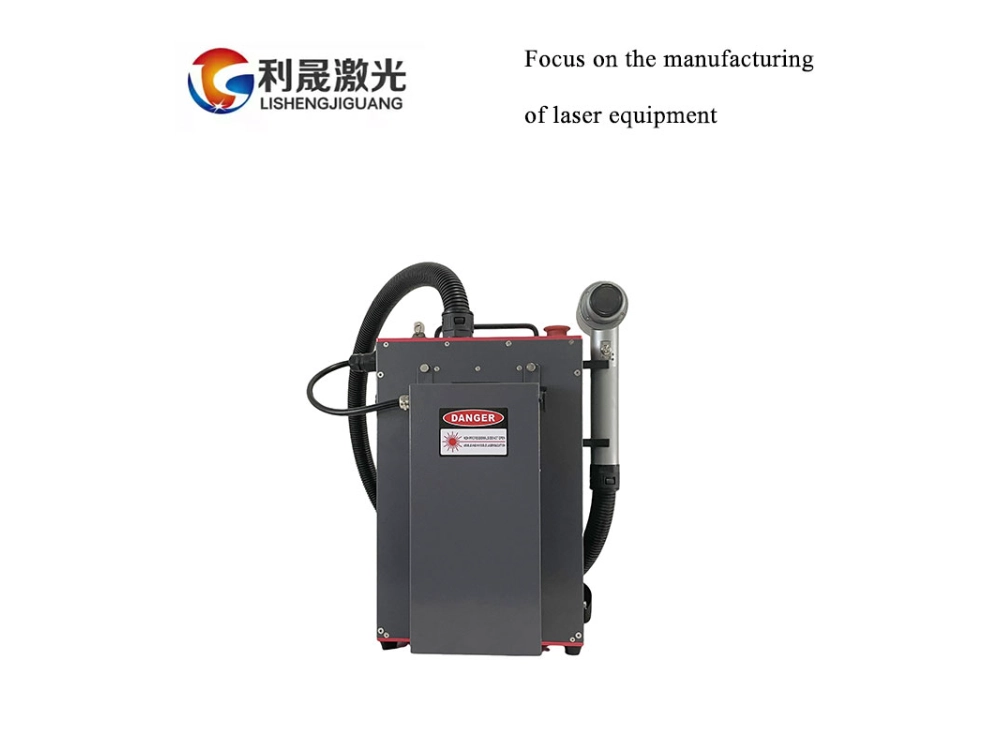
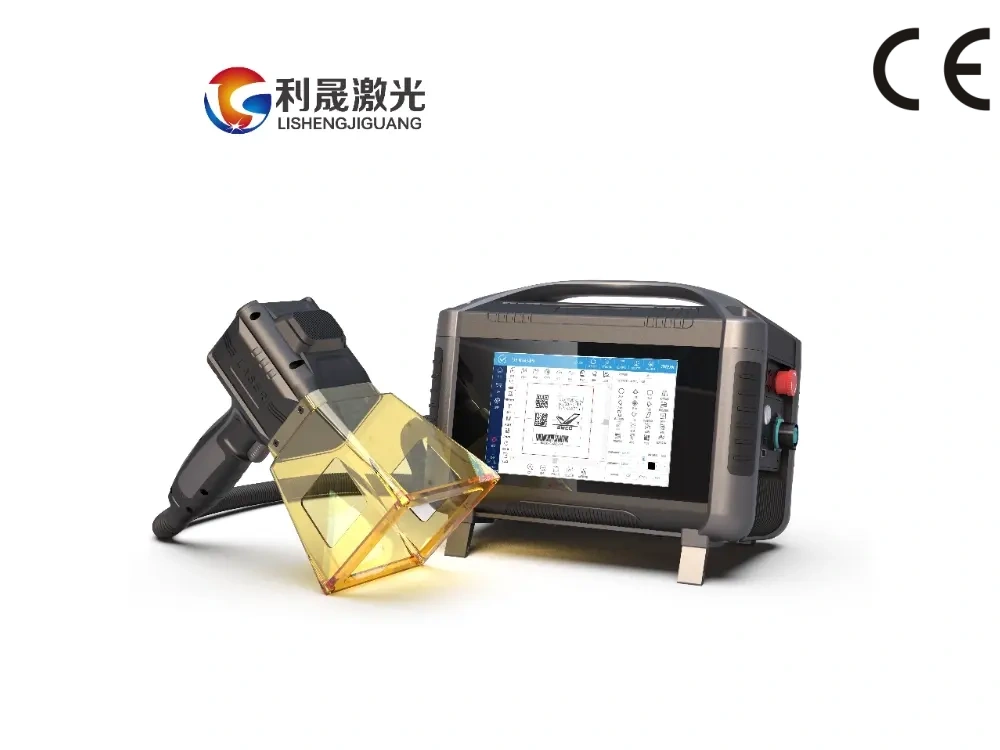
Comment fonctionne une machine de soudage laser ?
Date de sortie : 24 février 2026
machines à souder au laser Les machines de soudage laser sont devenues, discrètement, un outil essentiel dans les ateliers de fabrication modernes, des ateliers de tôlerie aux chaînes d'assemblage électronique de haute précision. Si la technologie elle-même semble complexe, son principe de fonctionnement est étonnamment simple. Comprendre le fonctionnement d'une machine de soudage laser permet aux acheteurs, aux ingénieurs et aux responsables de production de prendre de meilleures décisions en matière d'efficacité, de qualité et de fiabilité à long terme.
Le principe de fonctionnement fondamental
Le principe de fonctionnement d'une machine de soudage laser repose sur un faisceau laser très concentré qui génère une chaleur intense en un point précis. Cette énergie concentrée fait fondre les matériaux de base, permettant ainsi leur fusion lors de leur refroidissement. Contrairement aux méthodes de soudage traditionnelles qui nécessitent une source de chaleur diffuse, le soudage laser délivre l'énergie avec une extrême précision.
À l'intérieur du système, la source laser (généralement un laser à fibre ou à disque) produit un faisceau stable de haute énergie. Ce faisceau est guidé par des composants optiques et focalisé sur la zone de soudure. Dès que le laser atteint la surface métallique, la température monte rapidement, formant un bain de fusion en quelques millisecondes. Lorsque le laser se déplace, le métal en fusion se solidifie, créant ainsi une soudure solide et propre.
Cet apport de chaleur contrôlé est ce qui rend le soudage laser particulièrement adapté aux matériaux fins, aux pièces délicates et aux applications où l'apparence compte.
procédé de soudage laser
En production, le soudage laser repose moins sur la théorie que sur la régularité. Une fois la pièce positionnée, la tête laser suit une trajectoire programmée, en maintenant une distance focale stable. Selon l'application, le soudage peut être continu ou pulsé.
Pour une pénétration plus profonde, le laser crée un étroit “ trou de serrure ” dans le matériau. L'énergie peut ainsi atteindre des couches plus profondes, produisant des soudures robustes avec une déformation de surface minimale. Pour le soudage de surface ou les joints fins, un réglage de puissance plus faible permet d'obtenir une soudure lisse et peu profonde, d'aspect net, sans meulage supplémentaire.
Les opérateurs constatent souvent que le soudage laser produit très peu de projections et nécessite un post-traitement minimal. C'est l'une des raisons pour lesquelles de nombreuses usines délaissent le soudage TIG ou MIG au profit du laser lorsque la précision et la rapidité sont essentielles.
Avantages des machines à souder au laser
L'un des principaux avantages des machines de soudage laser réside dans la précision du processus. Les zones affectées thermiquement sont réduites, ce qui limite les déformations et améliore la précision dimensionnelle. Ceci est particulièrement important dans des secteurs tels que l'automobile, la fabrication d'acier inoxydable, la production de batteries et l'électronique.
Le soudage laser est également très adaptable. Une même machine peut traiter l'acier au carbone, l'acier inoxydable, l'aluminium et certains alliages en ajustant des paramètres tels que la puissance, la vitesse et la mise au point. En production de masse, cette flexibilité se traduit par des changements de production plus rapides et une qualité plus stable.
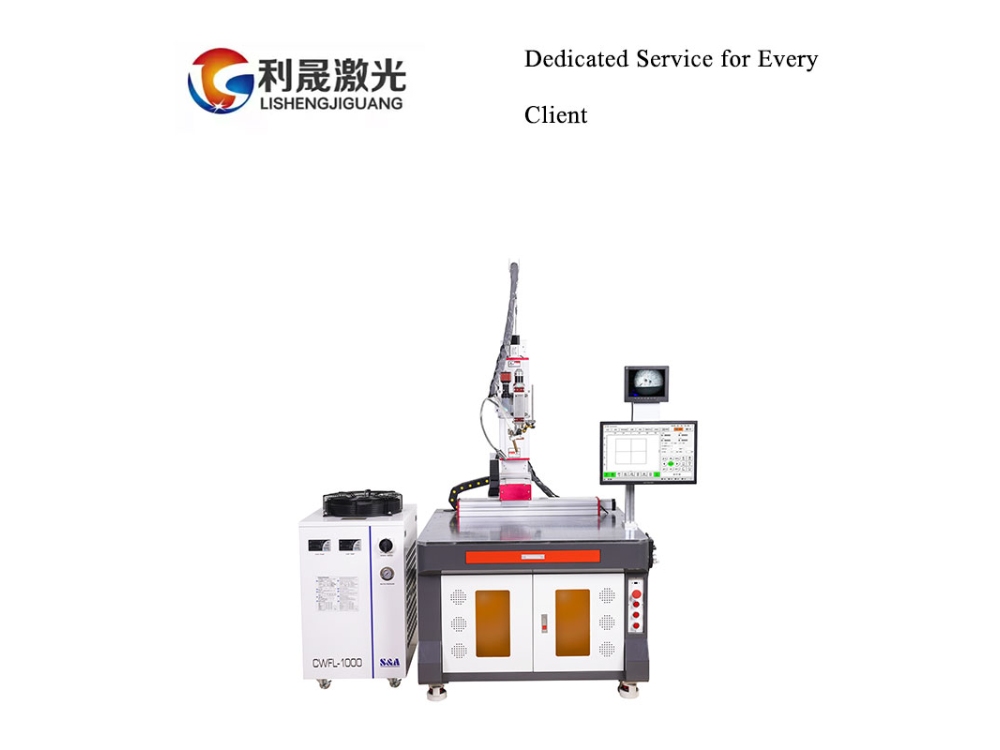
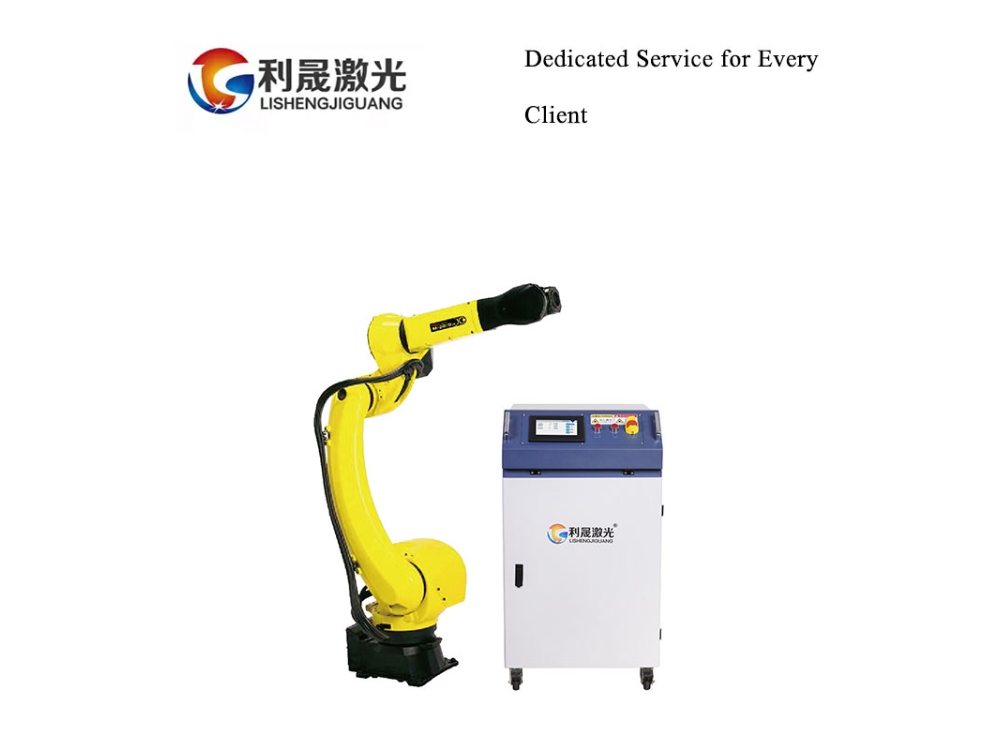
Du point de vue de l'efficacité, le soudage laser s'intègre parfaitement à l'automatisation. Bras robotisés, systèmes CNC et lignes de production peuvent tous être intégrés. machines à souder au laser, réduisant ainsi la dépendance à la main-d'œuvre tout en améliorant la reproductibilité.
Comment Lisheng Laser applique cette technologie
À Laser Lisheng, Les machines de soudage laser sont conçues pour répondre aux besoins réels de la production. Des sources laser stables, des systèmes optiques précis et des interfaces de commande intuitives permettent aux opérateurs d'obtenir des résultats constants en toute simplicité. Plutôt que de se concentrer uniquement sur les performances théoriques, Lisheng privilégie la stabilité à long terme, la facilité d'entretien et l'adaptabilité à différentes applications de soudage.
Cette approche pratique rend les machines de soudage laser Lisheng adaptées aussi bien aux fabricants expérimentés qu'aux ateliers qui modernisent leurs méthodes de soudage traditionnelles.
FAQ : Questions fréquentes sur les machines de soudage laser
Le soudage laser est-il adapté aux débutants ?
Les machines de soudage laser modernes sont bien plus faciles à utiliser qu'on ne le pense. Avec des paramètres préréglés appropriés et une formation à la sécurité, même les opérateurs novices peuvent réaliser rapidement des soudures propres.
Le soudage laser remplace-t-il complètement le soudage traditionnel ?
Pas entièrement. Le soudage traditionnel conserve toute son utilité, notamment pour les matériaux épais ou en extérieur. Le soudage laser excelle en termes de précision, de rapidité et de régularité.
Quels matériaux peuvent être soudés à l'aide de machines de soudage laser ?
Les matériaux courants comprennent l'acier inoxydable, l'acier au carbone, l'aluminium, le cuivre (avec des réglages appropriés) et divers alliages.
Le soudage laser est-il économe en énergie ?
Oui. Comme l'énergie est délivrée directement à la zone de soudure, le soudage laser consomme généralement moins d'énergie au total et réduit le gaspillage de matériaux.
L'importance des machines de soudage laser
machines à souder au laser Le soudage laser ne se résume pas à la rapidité ou à l'esthétique : il représente une méthode plus intelligente d'assemblage des matériaux, générant moins de déchets et de défauts, et offrant un meilleur contrôle. Face à l'élévation constante des normes de production, le soudage laser est passé d'une option spécialisée à une solution pratique et courante. Pour les fabricants soucieux d'améliorer la qualité sans complexifier leurs processus, le soudage laser n'est plus une technologie d'avenir : il fait déjà partie intégrante des chaînes de production.