Как работает лазерный маркировочный станок?
Release time: 2026-02-10
Оглавление
Если вы пройдете по любому современному заводу — будь то производство электроники, автомобильных деталей, медицинских приборов или металлообработка — вы, скорее всего, увидите лазерную маркировку повсюду. Серийные номера, логотипы, штрихкоды, QR-коды и отслеживающие метки часто создаются с помощью лазерных маркировочных машин. Но как это происходит? лазерный маркировочный станок Действительно ли это работает, и почему это стало предпочтительным решением для перманентной маркировки?
Как производитель, тесно работающий в реальных производственных условиях, компания Lisheng Laser часто получает этот вопрос от клиентов, которые хотят получить более развернутые объяснения, чем те, что приведены в учебниках. Давайте разберем это на практическом, понятном для цеха языке.
От света к метке: основной принцип работы
В основе лазерной маркировочной машины лежит использование сильно сфокусированного светового луча для взаимодействия с поверхностью материала. В отличие от струйной печати или механической гравировки, лазерная маркировка — это бесконтактный процесс. Это означает отсутствие износа инструмента, расходных материалов и минимальное техническое обслуживание в течение длительного времени.
Внутри установки лазерный источник генерирует высокоэнергетический луч. Этот луч направляется через оптические компоненты — зеркала и линзы, — которые фокусируют его в очень маленькое пятно. Когда сфокусированный луч попадает на поверхность материала, он контролируемым образом передает энергию, изменяя характеристики поверхности.
В зависимости от материала и настроек лазера это взаимодействие может вызвать следующие последствия:
- Изменение цвета (часто встречается на нержавеющей стали и пластике)
- Окисление поверхности
- Микрогравировка или травление
- Удаление материала на очень небольшой глубине
Ключевой момент — точность. Лазер не “прожигает” случайным образом — он следует цифровым инструкциям с точностью до микрона.
Как дизайн превращается в лазерную метку
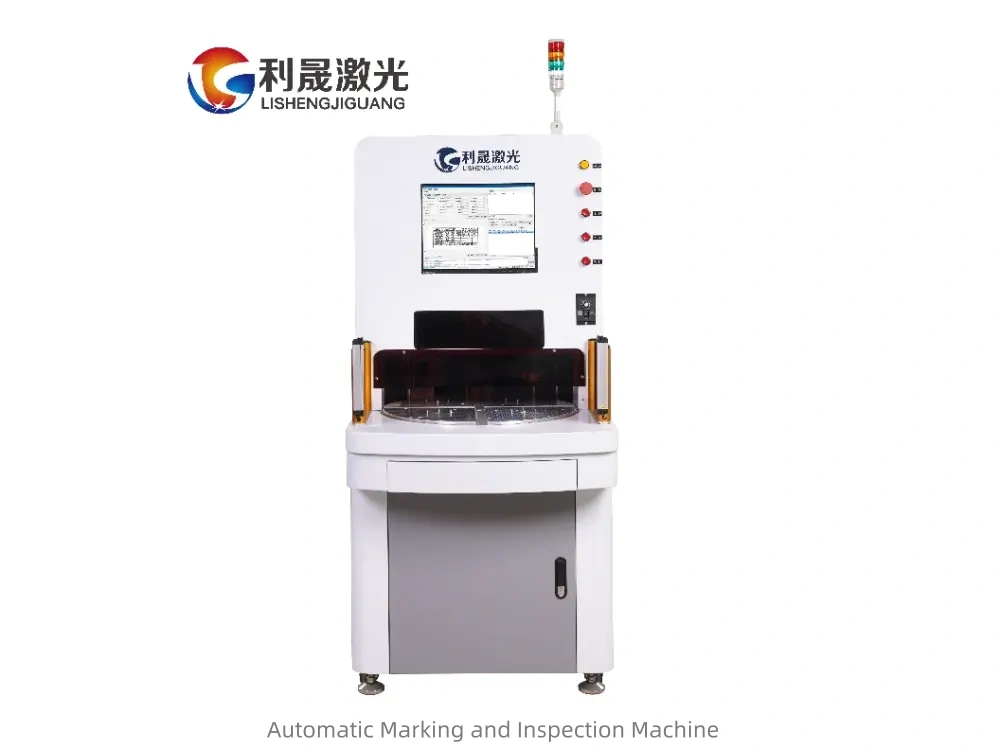
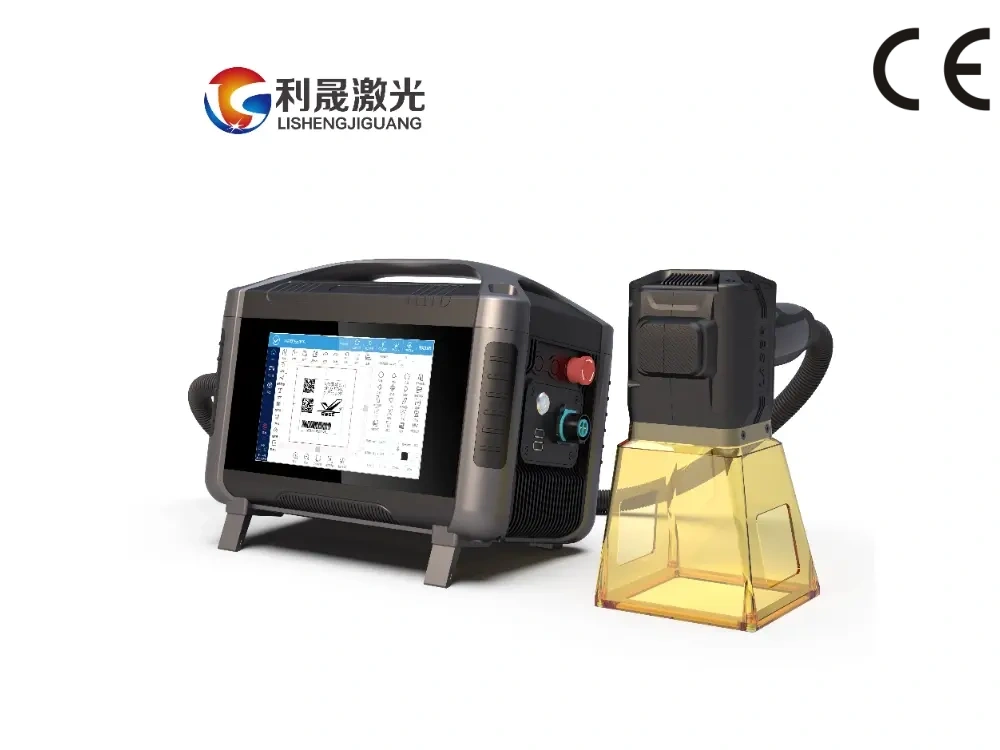
В реальных производственных условиях операторы не управляют лазером вручную. Процесс маркировки начинается с файлов дизайна, часто создаваемых в САПР или векторном программном обеспечении. Текст, логотипы, серийные номера и переменные данные импортируются в систему управления лазером.
Гальванометрические сканеры — быстро вращающиеся зеркала внутри маркировочной головки — направляют лазерный луч по поверхности с высокой скоростью. Именно поэтому лазерная маркировка может обрабатывать сложные узоры, тонкие шрифты и QR-коды высокой плотности, не замедляя производственную линию.
Для производителей, которым необходимы системы отслеживания происхождения продукции, этот цифровой контроллер также обеспечивает бесшовную интеграцию с системами MES или ERP. Серийные номера могут автоматически изменяться от партии к партии без остановки оборудования.
Разные материалы, разные реакции лазера.
Одна из причин широкого распространения лазерных маркировочных машин — их универсальность. Металлы, пластик, керамика и поверхности с покрытием — каждый из них по-разному реагирует на лазерную энергию.
Например:
- Волоконные лазеры Обычно используются для обработки таких металлов, как сталь, алюминий, латунь и титан.
- CO₂-лазеры Их часто выбирают для пластмасс, древесины и упаковочных материалов.
- УФ-лазеры Они хорошо подходят для деликатных компонентов, где критически важно минимизировать воздействие тепла, таких как электроника, стекло и медицинские детали.
В реальных мастерских выбор подходящего типа лазера — это не вопрос следования модным тенденциям, а вопрос соответствия длины волны и мощности материалу и требованиям к маркировке.
Почему заводы предпочитают лазерную маркировку
С оперативной точки зрения, лазерные маркировочные машины Они обладают очевидными преимуществами. Метки являются стойкими и устойчивыми к износу, химическим веществам и высоким температурам. Не требуется заправка чернил, замена форм и простои на расходные материалы.
Для компаний, экспортирующих продукцию по всему миру, лазерная маркировка также способствует соблюдению нормативных требований. Четкие и долговечные маркировки помогают соответствовать требованиям законодательства и сокращают количество споров после продажи, связанных с отслеживаемостью продукции.
В компании Lisheng Laser многие клиенты говорят нам одно и то же: как только лазерная маркировка интегрируется в их рабочий процесс, она незаметно становится одним из самых надежных элементов на линии.
Часто задаваемые вопросы: Часто задаваемые вопросы о лазерных маркировочных машинах
Лазерная маркировка повреждает материал?
При правильной настройке лазерная маркировка воздействует только на поверхностный слой. Структурная целостность остается неизменной, поэтому она широко используется для прецизионных компонентов.
Подходит ли лазерная маркировка для крупносерийного производства?
Да. Благодаря высокой скорости сканирования и возможностям автоматизации, лазерные маркировочные машины широко используются в производственных условиях, работающих круглосуточно.
Могут ли лазерные метки со временем исчезнуть?
Лазерная маркировка, как правило, является постоянной. Она гораздо лучше противостоит истиранию, химическим веществам и воздействию ультрафиолетового излучения, чем печатная или чернильная маркировка.
Практичный инструмент, а не просто передовая технология.
Хотя технология лазерной маркировки может показаться сложной, её ценность на производстве проста: стабильность, чёткость и контроль. Понимание принципа работы лазерного маркировочного станка помогает производителям выбрать подходящую систему и максимально эффективно её использовать.
Как специализированный производитель лазерного оборудования, Лишэн Лазер Основное внимание уделяется созданию машин, отвечающих реальным производственным потребностям, а не только лабораторным условиям. Когда технология работает незаметно в фоновом режиме и каждый раз выдает надежные результаты, именно тогда она выполняет свою работу наилучшим образом.