The Future of Manufacturing: The Role of Laser Industrial Equipment
Release time: 2026-01-31
Table of Contents
In the rapidly changing manufacturing landscape, laser industrial equipment has become a disruptive force across various industries. From automotive to electronics, the precision and efficiency brought by laser technology are revolutionizing traditional manufacturing processes. This article will explore several key industry sectors where laser industrial equipment is making significant progress, highlighting its characteristics and advantages.
Automotive industry
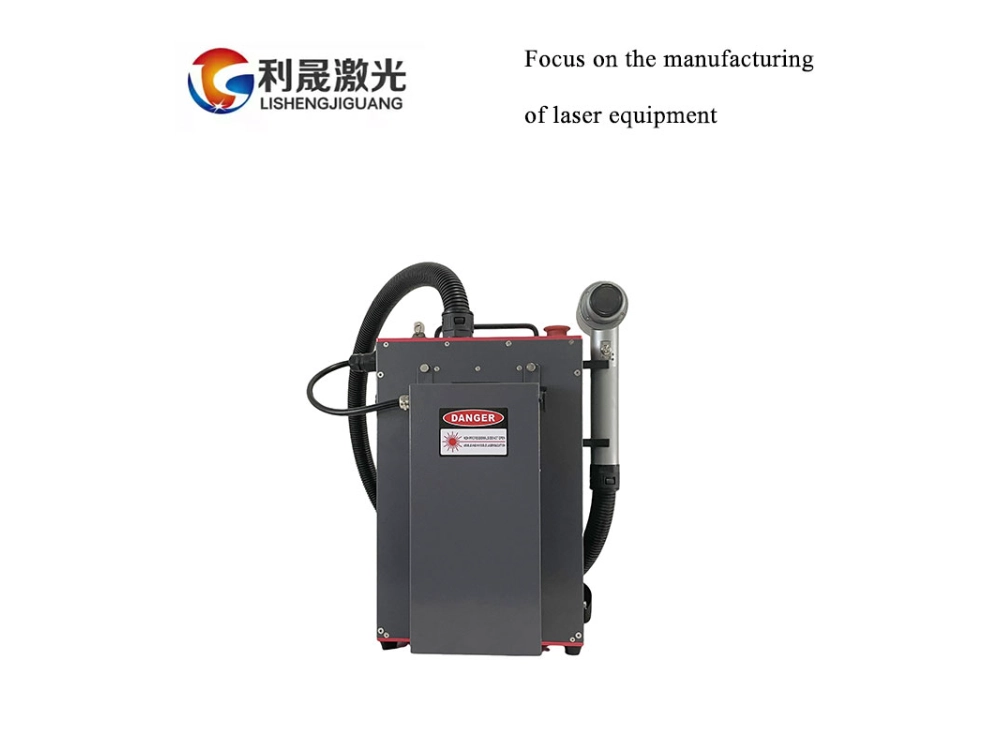
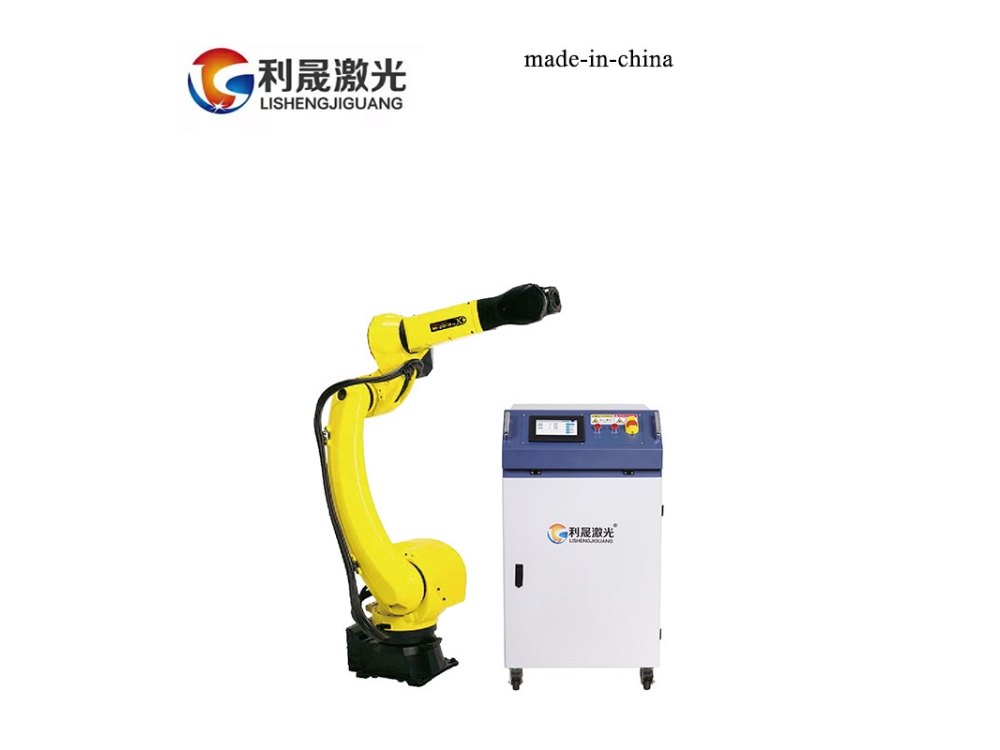
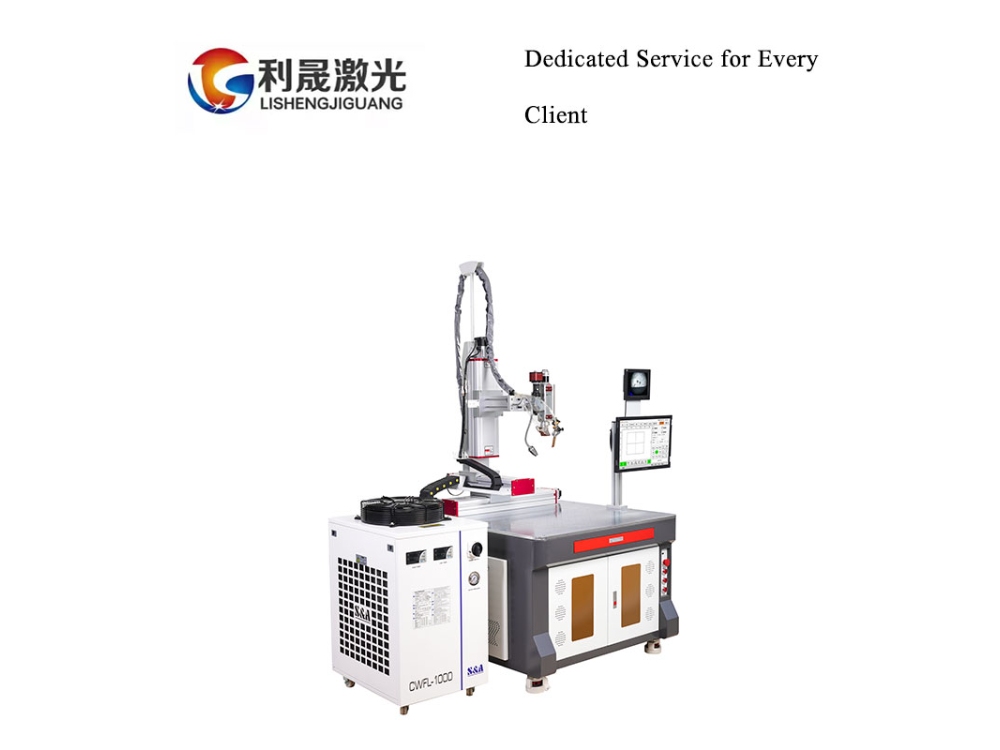
The automotive industry is one of the leading sectors for laser industrial equipment. Laser cutting and welding technologies are increasingly widely used due to their high precision and speed. For example, laser cutting allows manufacturers to create complex designs and shapes in metal parts with minimal material waste. This not only enhances the aesthetics of vehicles but also helps reduce weight and improve fuel efficiency. Furthermore, laser welding can create strong and durable connections, which are crucial for vehicle safety. The automation of these processes further simplifies production processes, reduces labor costs, and increases output.
Electronics manufacturing
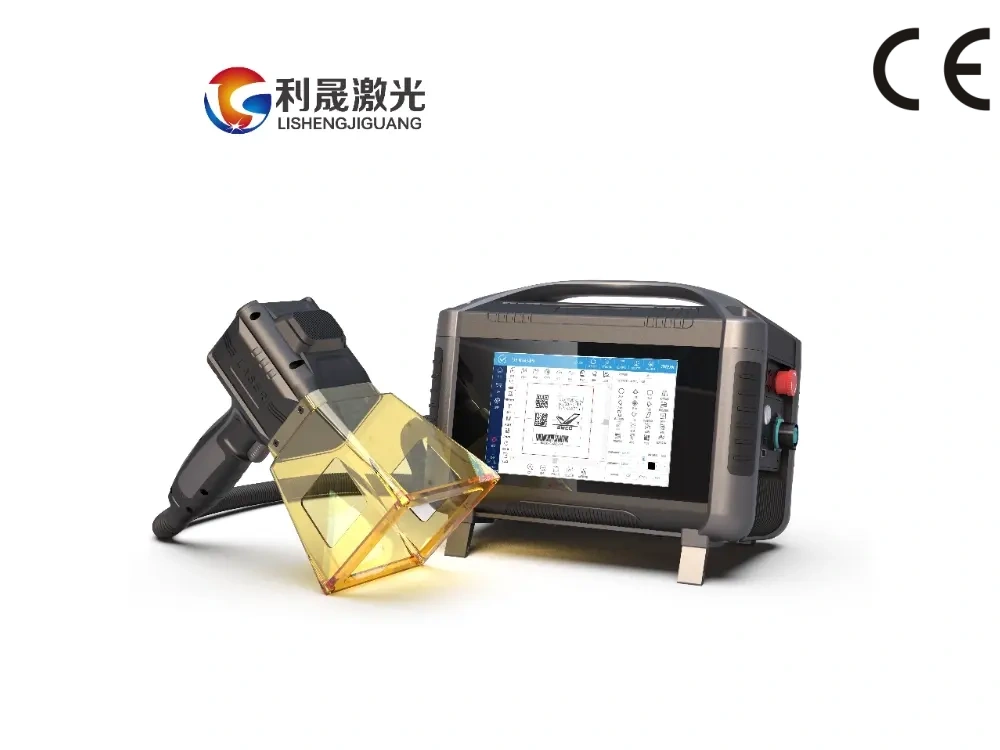
In the electronics industry, the demand for miniaturization and high precision is unprecedented. Laser industrial equipment plays a crucial role in the production of circuit boards, semiconductors, and other electronic components. Laser engraving and marking are widely used for branding and traceability, ensuring that each component can be easily identified throughout its entire lifecycle. Furthermore, laser drilling technology can create micro-holes on circuit boards, which is essential for advanced electronic applications. The speed and precision of laser technology enable manufacturers to keep pace with the rapid development of the electronics industry, ensuring they remain competitive in a constantly changing market.
Aerospace field
The aerospace industry is another sector where laser industrial equipment plays a significant role. The need for lightweight materials and complex geometries in aircraft design has spurred the wider application of laser cutting and additive manufacturing technologies. Laser technology can precisely cut advanced materials such as titanium and carbon fiber, which are crucial for modern aircraft. Furthermore, laser sintering technology is used to produce complex parts that cannot be manufactured using traditional methods. This not only reduces material waste but also shortens production cycles, thereby accelerating production speed.
Medical device manufacturing
The medical device industry is increasingly reliant on laser industrial equipment to produce high-precision components. From surgical instruments to implantable medical devices, precision and reliability are paramount. Laser cutting and engraving are commonly used to create complex patterns and markings on medical devices, ensuring they meet stringent regulatory standards. Furthermore, laser welding is used to join dissimilar materials, a frequent requirement in the production of complex medical devices. In this industry, the ability to produce high-quality components quickly and efficiently is crucial, as innovation and speed often save lives.
Continuously innovate and keep up with the times—Lisheng Laser.
As demand for laser industrial equipment continues to grow across industries, companies like Lisheng are at the forefront of this technological revolution. Lisheng is a high-tech enterprise dedicated to the R&D, manufacturing, and sales of high-end optoelectronic and laser industrial equipment. With a team of seasoned laser industry professionals, Lisheng is committed to driving the development of micromachining technology and exploring new applications of laser technology. By increasing its R&D investment, Lisheng aims to provide innovative solutions that meet the evolving needs of the manufacturing industry, ensuring that companies can fully leverage the potential of laser technology to improve operational efficiency.